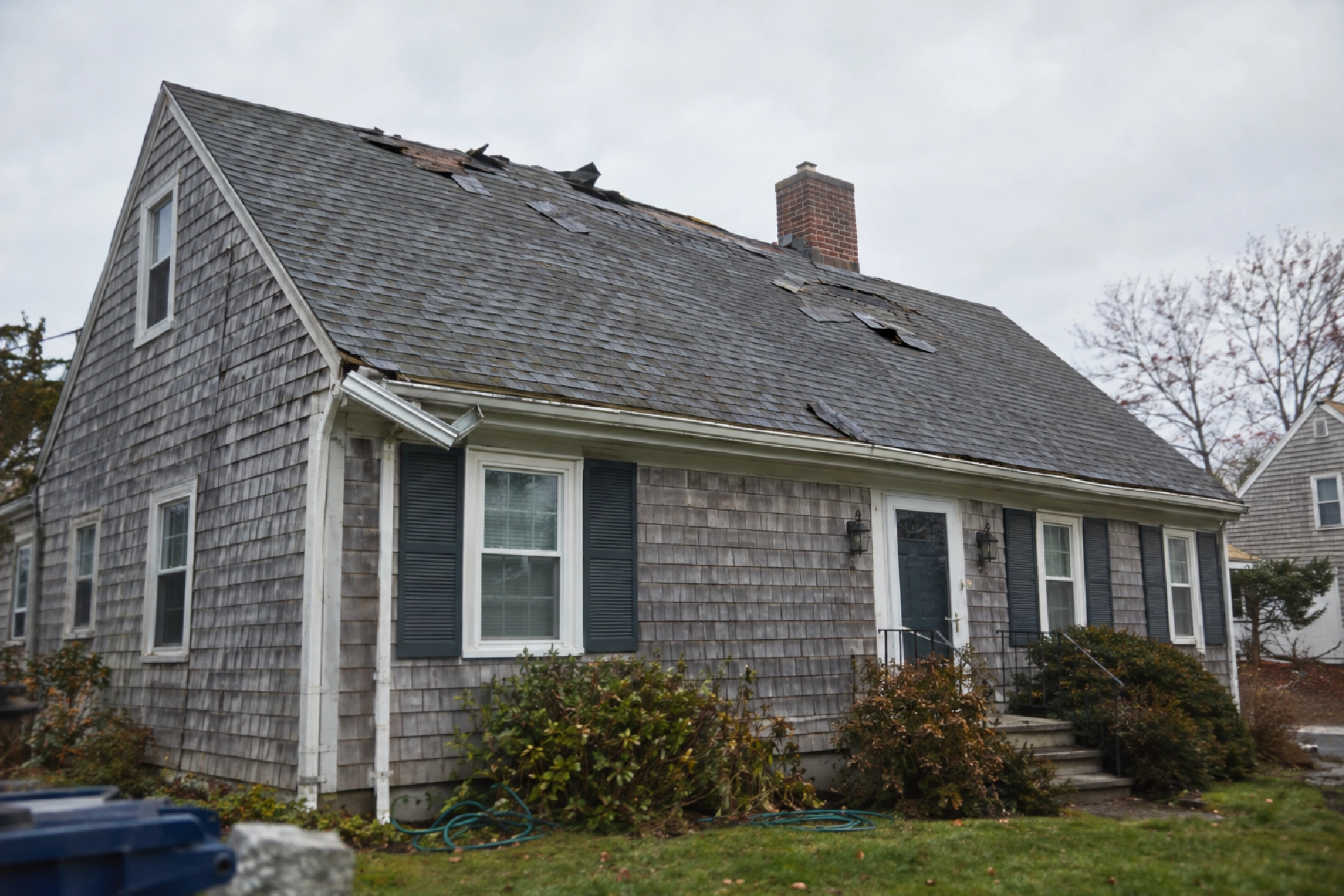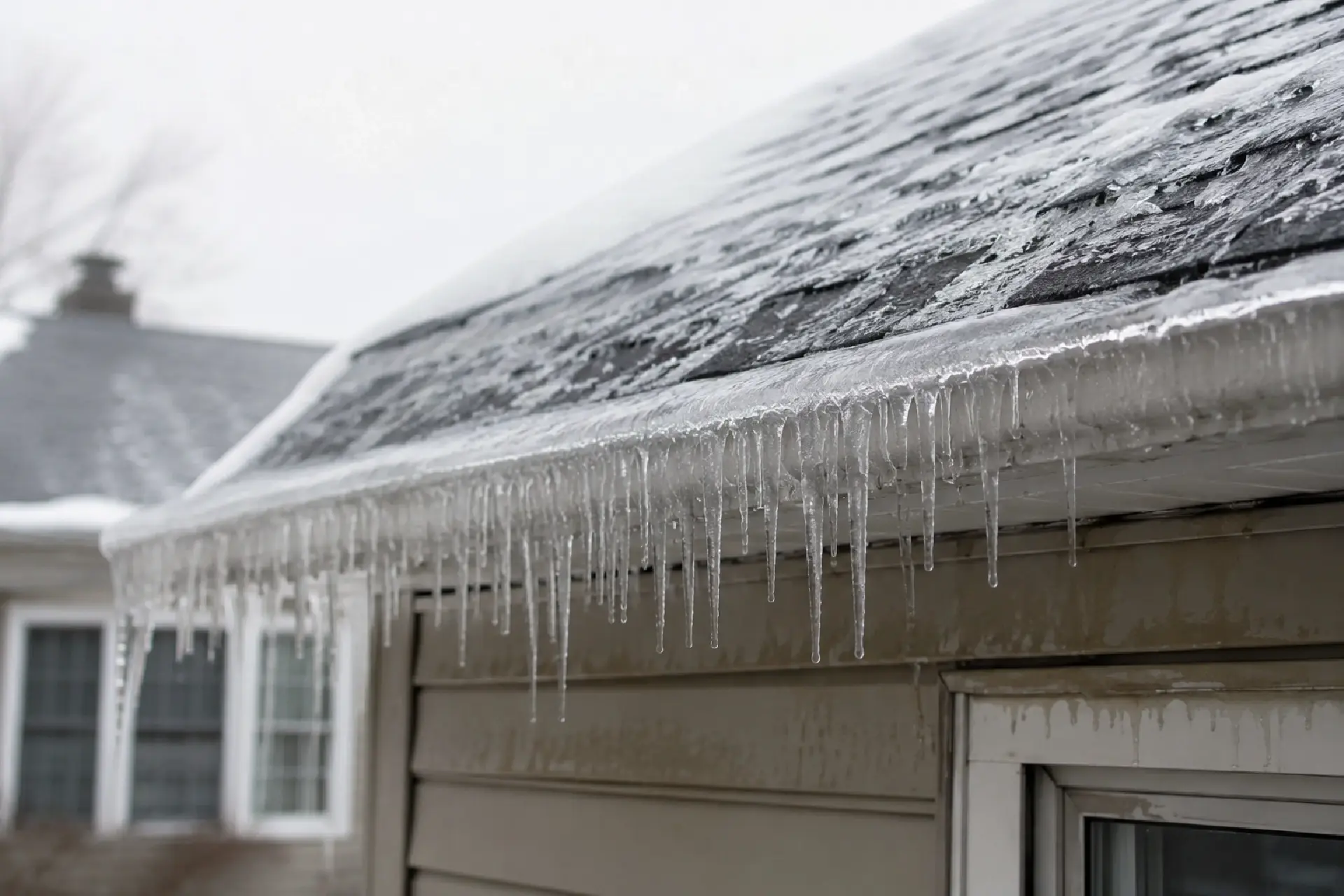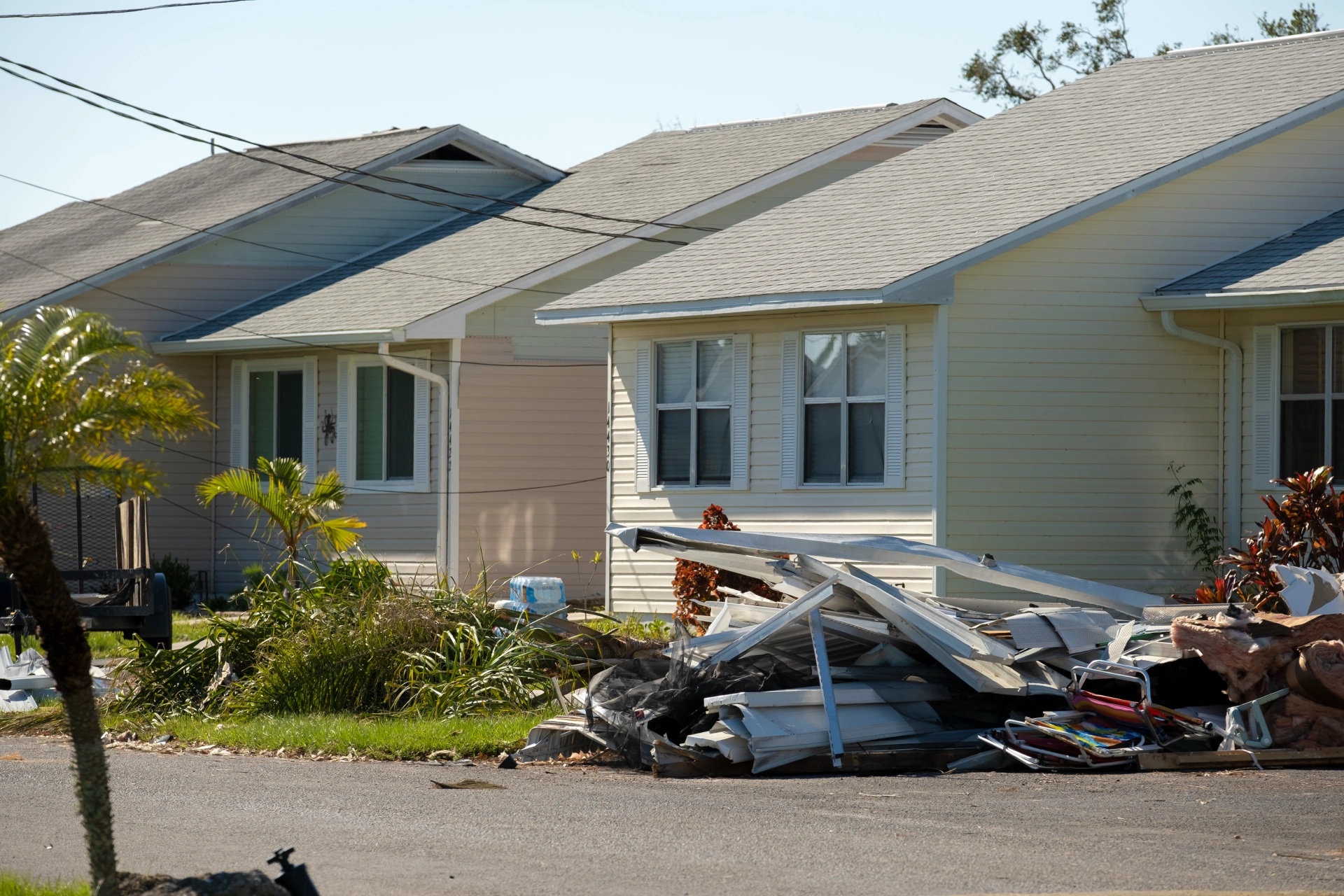
When property damage happens in Rhode Island — a collapsed roof, a flooded basement, a fire that guts a triple-decker — most property owners do what feels instinctive. They call their insurer, cooperate fully, and assume the process will be straightforward. That assumption is what costs them.
Property damage claims in Rhode Island are routinely underpaid not because insurers are always acting in bad faith, but because policyholders unknowingly make decisions in the first hours and days after a loss that weaken their own claim. This blog breaks down the most common ones — and what to do instead.
Mistake #1: Removing Debris or Starting Repairs Before Full Documentation
The first instinct after property damage is to clean up and start fixing. In Rhode Island, where weather moves fast and secondary damage accumulates quickly, that urgency is understandable. But beginning repairs or clearing debris before your damage is fully documented is one of the most damaging things you can do to your claim.
Insurers rely on physical evidence to validate what they pay. Once a tree is removed, a collapsed wall is cleared, or water-soaked materials are torn out, that evidence is gone. Without it, adjusters can minimize the scope of what was damaged, dispute the cause, or argue that repair costs are speculative rather than documented. Take thorough photographs and video from every angle before anything is touched — including close-ups of impact points, water lines, and structural damage — and preserve all damaged materials until the insurer has conducted their inspection.
Mistake #2: Relying Solely on the Insurance Company’s Adjuster
When you file a property damage claim in Rhode Island, your insurer will send their own adjuster to inspect your property. Many policyholders treat this inspection as neutral — a professional assessment that will capture everything. It isn’t neutral, and it rarely captures everything.
Insurance company adjusters work for the carrier. Their inspection is thorough in some areas and convenient in others. They commonly miss damage in crawl spaces, attic framing, and shared walls — the same areas where Rhode Island’s older housing stock is most vulnerable. They may document surface damage without accounting for the structural compromise beneath it. Bringing in an independent property damage adjuster in Rhode Island before or alongside the insurer’s visit gives you a complete, documented record of what actually exists — not what was convenient to find.
Mistake #3: Accepting the First Settlement Offer
Insurance companies issue initial settlement offers quickly. For Rhode Island property owners, especially those already displaced or managing repairs, a fast check can feel like resolution. It rarely is.
First offers are calculated against the insurer’s own damage assessment, which frequently understates scope, applies aggressive depreciation to older materials, and excludes items that require more documentation to justify. Accepting without review — and especially without independent documentation — closes the claim at whatever the insurer decided to pay. In Rhode Island, where historic properties and connected housing types create complex damage patterns, the gap between what was offered and what was actually owed can run into tens of thousands of dollars.
Mistake #4: Not Reading Your Policy Before You File
Most Rhode Island property owners have never read their homeowner or commercial policy in full. That’s understandable — policies are long, technical, and full of language designed to be parsed by insurance professionals, not policyholders. But filing a claim without understanding your coverage puts you at a structural disadvantage.
Key areas where policyholders get surprised include:
- Sublimits on specific damage types
- Ordinance or law coverage that applies when repairs must meet current Rhode Island building code
- Debris removal caps
- The difference between actual cash value and replacement cost
Knowing what your policy covers before you file helps you document to the right standard and prevents you from missing coverage that should apply.
Mistake #5: Waiting Too Long to Get Professional Help
The most recoverable mistake on this list is also the most common: assuming professional representation is only needed when a claim has already gone wrong.
A public adjuster for Rhode Island property damage claims doesn’t just fix bad claims — they build strong ones from the start. Early involvement means damage is documented before evidence disappears, the insurer’s inspection is countered with independent findings, and the claim is filed with the full scope of loss accounted for. In Rhode Island, where structural damage to older properties often develops after the initial event and insurers move quickly toward settlement, waiting until a problem is obvious almost always means some portion of the loss is already gone.
What Rhode Island Property Owners Should Do After Property Damage
Document before you do anything else. Don’t accept the first offer without an independent review. Read your policy, or have someone who understands it read it for you. And work with a licensed public adjuster in Rhode Island early — not as a last resort.
Marinilli Adjusters works exclusively for Rhode Island property owners — not insurers — on a contingency basis with no fees until you recover. If your property has been damaged, contact us before you make any of the decisions above.