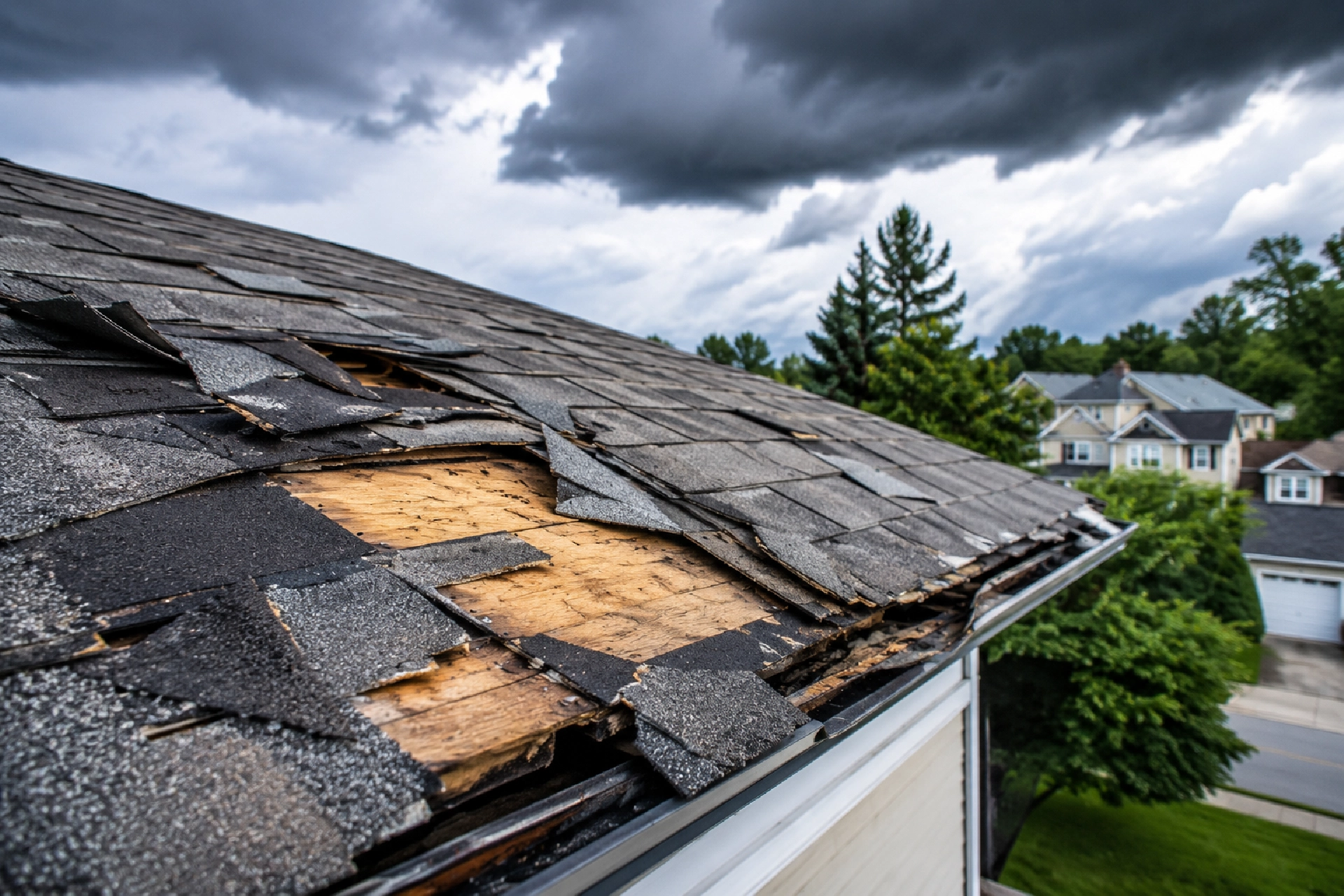
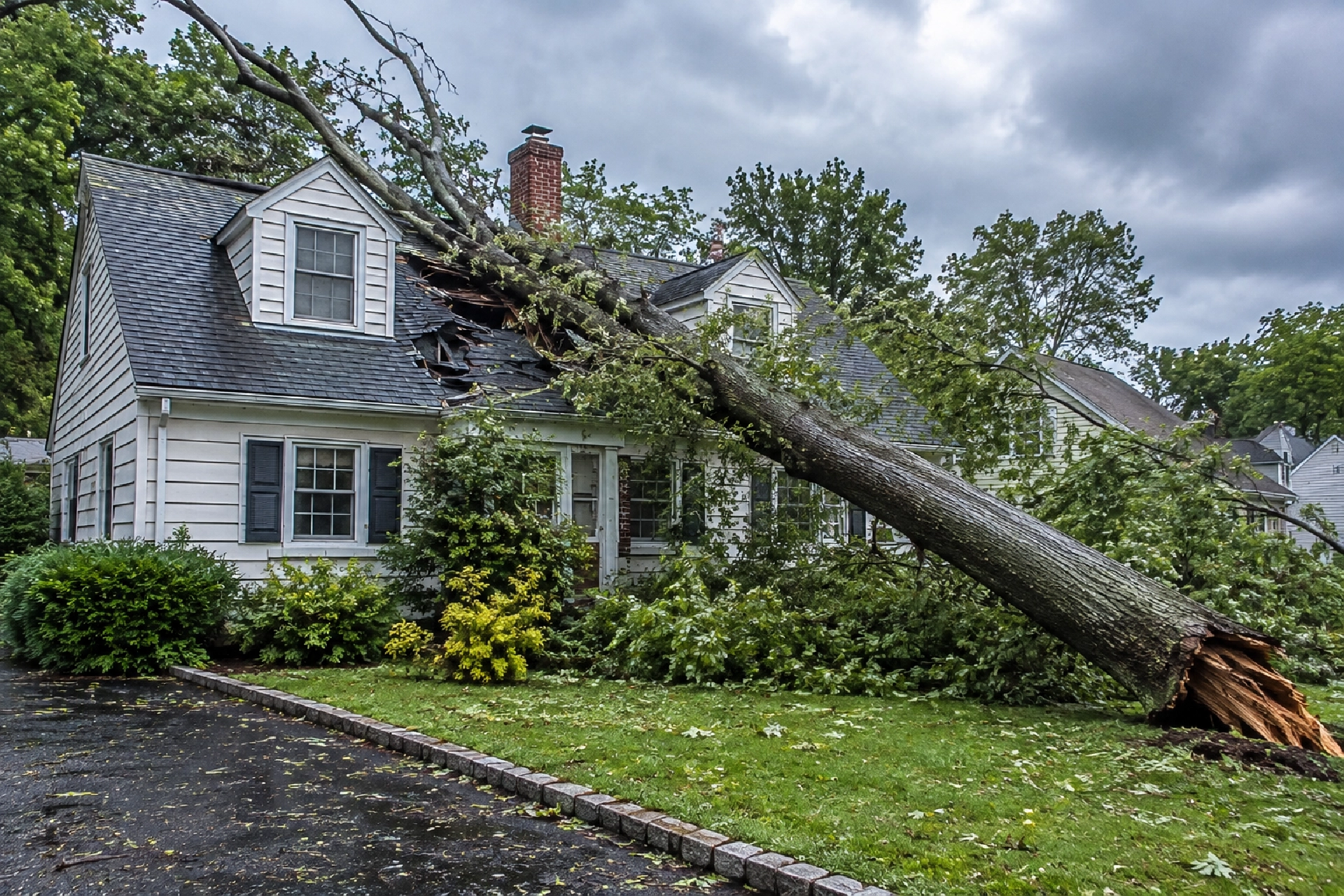
When a Massachusetts property suffers serious damage — whether from structural collapse, fire, flooding, or storm — most property owners assume their insurance company will handle it fairly. What many don’t realise until it’s too late is that without a licensed property damage adjuster on your side, the insurer’s first offer is rarely their best one.
Filing a property damage claim in Massachusetts is rarely as straightforward as it seems — and the difference between an underpaid settlement and a fully recovered one almost always comes down to who is managing your claim.
Why Massachusetts Property Damage Claims Are More Complex Than They Appear
Massachusetts presents a specific set of challenges that make property damage claims harder to navigate than in most states. The combination of aging housing stock, harsh seasonal weather, and coastal exposure means damage here rarely comes from a single clean cause.
A Victorian triple-decker in Worcester hit by a nor’easter doesn’t just have roof damage — it has water intrusion behind plaster walls, compromised framing, and moisture issues that won’t surface for weeks. A commercial building in Springfield damaged by fire doesn’t just need structural repair — it has smoke penetration, equipment loss, and potential business interruption costs that require separate documentation.
When multiple damage types occur in one event, insurers use that complexity against you. They assign different coverage categories to different losses, apply separate deductibles, and produce estimates that address the obvious damage while ignoring everything beneath the surface. A public property damage adjuster in Massachusetts identifies all of it — not just what’s convenient for the insurer to acknowledge.
Common property damage types that lead to underpaid claims in Massachusetts:
- Structural collapse from storm, fire, or foundation failure
- Water and flood damage in coastal and low-lying areas
- Fire and smoke damage across connected or multi-unit structures
- Roof failure from nor’easter snow loads and ice dams
- Foundation cracking from frost heave and soil movement
- Debris and wind impact damage from coastal storms
What Happens When the Insurer’s Adjuster Visits First
Here is what typically happens after a serious property damage claim is filed in Massachusetts. The insurer dispatches their own adjuster — quickly. That adjuster inspects the property, produces an estimate, and the insurance company presents a settlement offer within days.
The problem is that the insurer’s property damage adjuster is not there to find everything — they are there to document what is visible and close the claim efficiently. Hidden structural damage, moisture behind finished walls, secondary losses, and code upgrade requirements are routinely left out of initial assessments.
Common reasons Massachusetts property damage claims are underpaid:
- Visible damage is assessed but hidden structural damage is ignored
- Insurers classify storm and flood damage separately to apply lower limits
- Repair estimates use national cost averages that don’t reflect Massachusetts contractor rates
- Mold, air quality, and secondary damage costs are excluded from initial settlements
- Business interruption and temporary housing losses are undervalued or omitted entirely
- Policyholders sign early settlements before the full scope of damage is known
Once you accept a settlement in Massachusetts, recovering additional compensation becomes extremely difficult — which is exactly why having your own property damage adjuster involved from the start changes everything.
The Hidden Damage Problem in Massachusetts Properties
Older Massachusetts properties hide damage in ways that modern construction doesn’t. Plaster walls, balloon frame construction, uninsulated crawl spaces, and aging foundation systems all allow water, fire damage, and structural stress to travel further and stay hidden longer than in newer builds.
An insurance company’s adjuster has no financial incentive to look deeper than what’s visible. A public property damage adjuster working for you does. The difference in what gets documented — and what gets included in your settlement — is often the difference between a claim that covers your actual losses and one that leaves you thousands short.
Massachusetts property owners dealing with structural collapse and major property damage consistently recover more when a licensed public adjuster is involved from the first inspection — before the insurer’s narrative is set.
How a Public Property Damage Adjuster Changes Your Claim
Most Massachusetts property owners don’t know they have the right to hire their own property damage adjuster — someone who works exclusively for them, not the insurance company. A licensed public adjuster levels the playing field in a process that is otherwise entirely controlled by the insurer.
Here is what changes when you have a public property damage adjuster representing your Massachusetts claim:
- Every area of your property is inspected thoroughly — not just what’s visible
- Hidden damage is documented before it’s used against you as a pre-existing condition
- Repair estimates reflect actual Massachusetts market costs, not national averages
- Secondary losses — mold, contents, business interruption, code upgrades — are included from the start
- All insurer communication is handled professionally, countering lowball offers with documented evidence
- You never sign anything until the settlement reflects the true value of your loss
Protecting Your Claim From Day One
The single most important step a Massachusetts property owner can take after serious damage is contacting a public property damage adjuster before the insurance company’s adjuster visits. Once the insurer controls the initial inspection, the narrative around your claim is set — and changing it later is significantly harder.
- Photograph and video every affected area before any repair or cleanup
- Do not dispose of damaged materials until after a professional inspection
- Track every expense — emergency repairs, temporary housing, equipment rental
- Do not provide recorded statements to the insurer without representation
- Contact a property damage adjuster before accepting any settlement offer
Massachusetts property owners who work with a licensed public adjuster for structural and property damage claims consistently avoid the most common mistakes that lead to underpaid settlements — and recover the full value of their loss from start to finish.
Marinilli Adjusters offers free inspections across Massachusetts. Whether your property suffered structural collapse, fire damage, storm loss, or any major property damage — we assess your claim, review your policy, and fight for the settlement you are owed.
Don’t accept less than you’re owed. Contact us today for your free inspection.