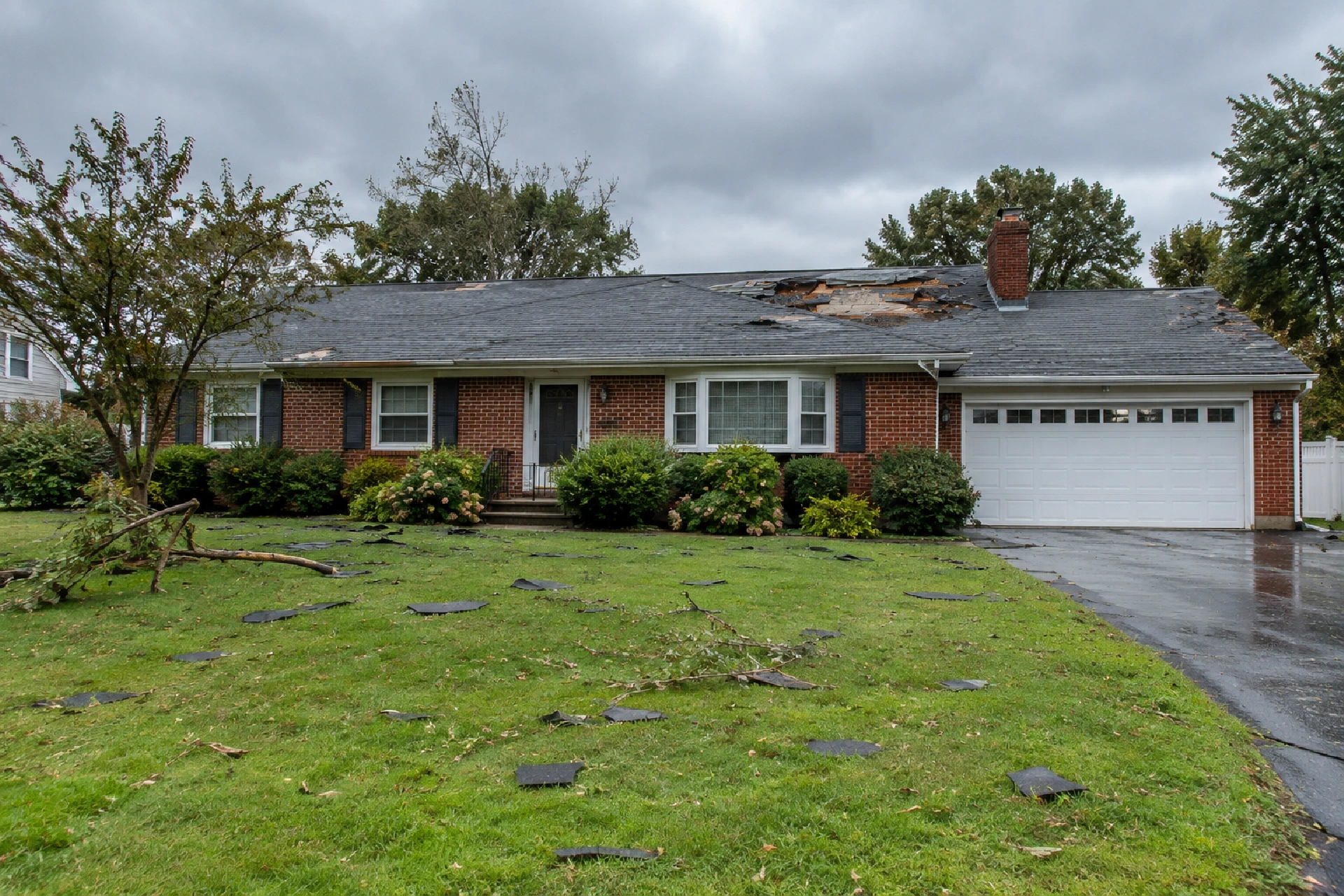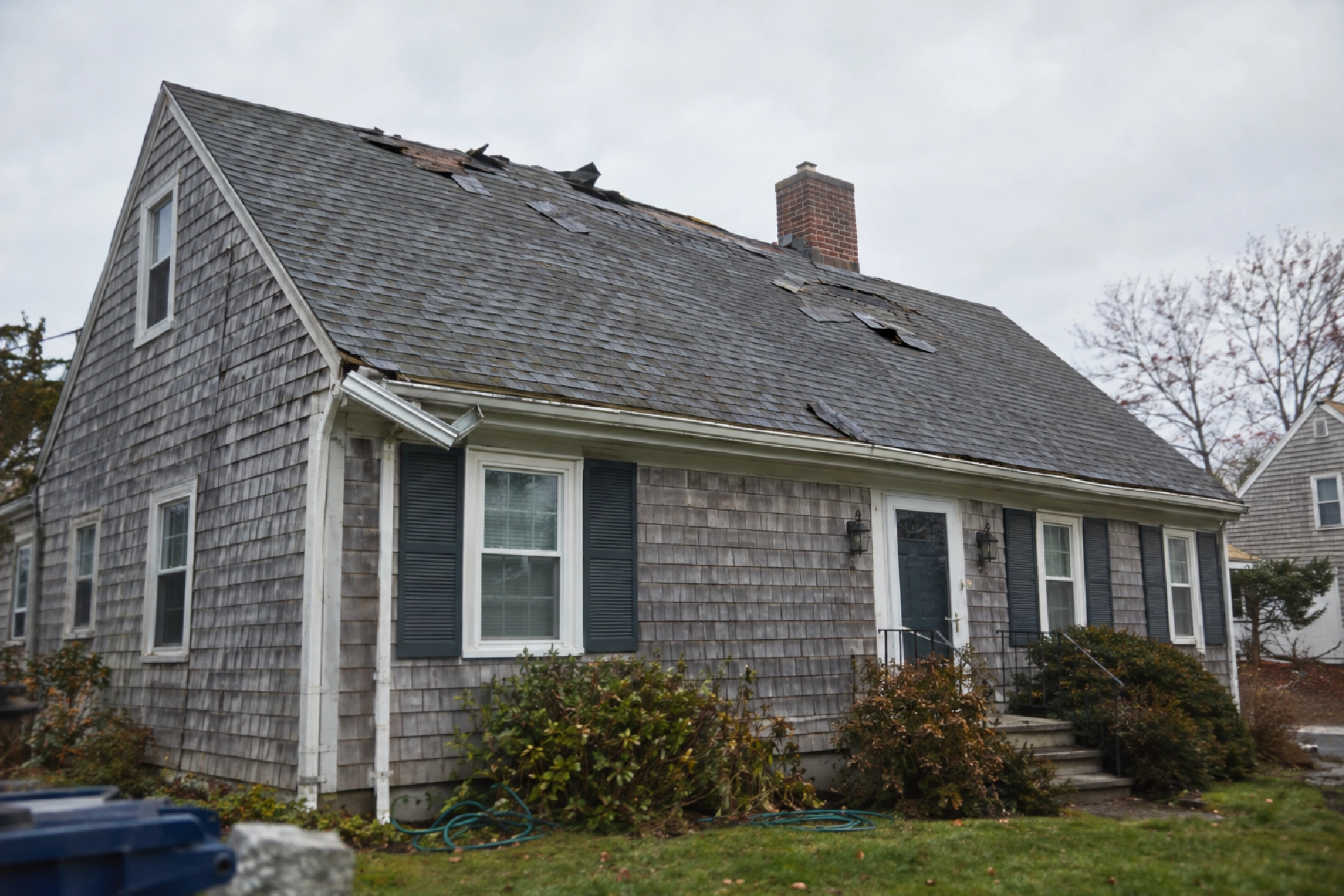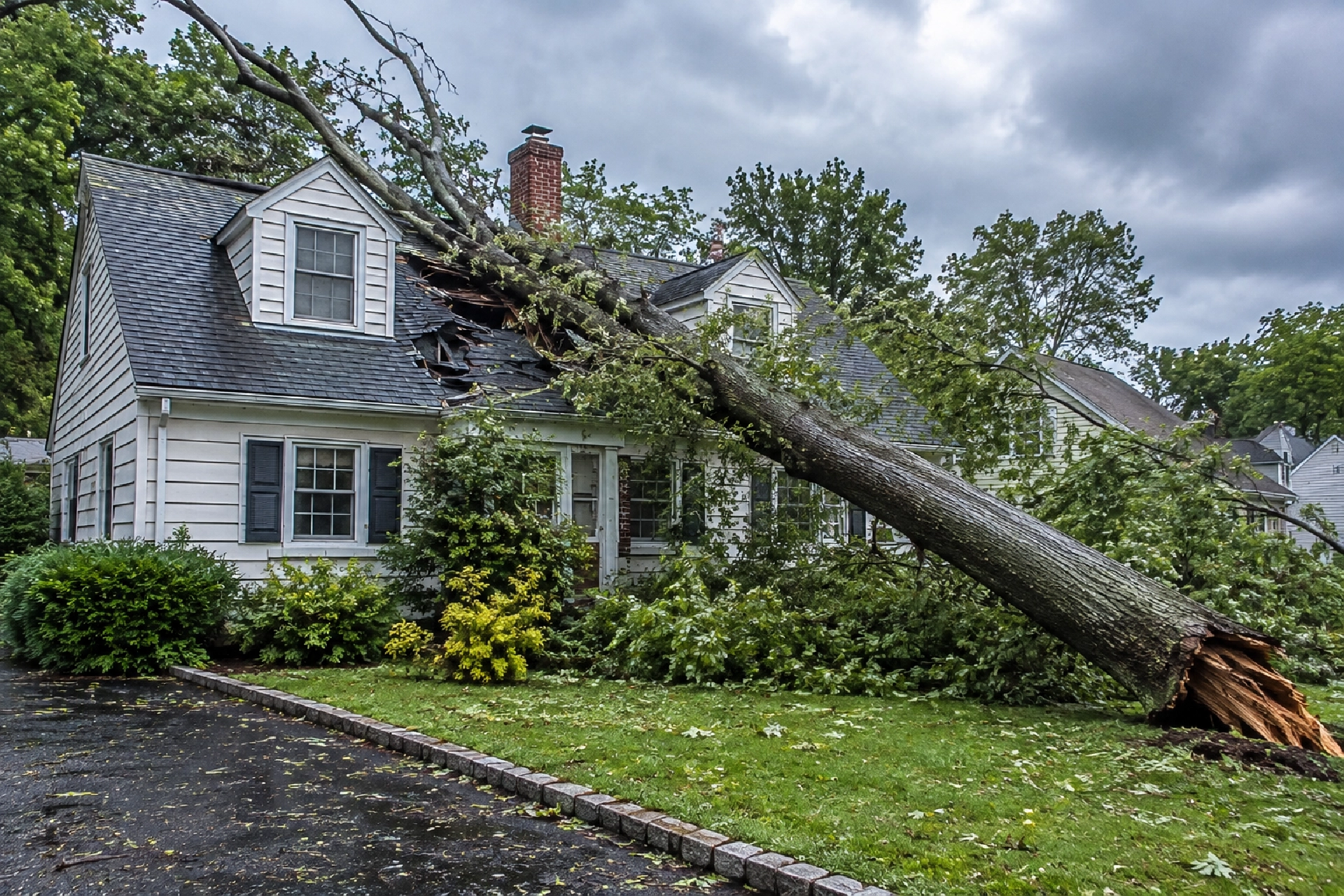
Most people think about a fallen tree damage claim only after the tree is already through their roof. By then, the single most valuable thing you could have done to protect your settlement is already impossible: proving what your property looked like before the damage. In Rhode Island, where storm seasons are a near certainty and mature trees surround so much of the housing stock, the strongest claims are built quietly, months in advance. Here’s how to do it.
Why “Before” Matters More Than Most Rhode Island Homeowners Realize
When you file a fallen tree damage claim, your insurer’s adjuster assesses what’s in front of them and estimates backward to what existed before. That backward estimate is where money is lost. If your roof was in excellent condition before the storm, but there’s no record proving it, the insurer is free to assume age and wear that let them apply heavy depreciation. If a fence, shed, or landscaping feature was destroyed, but you can’t establish it was there and intact, its value quietly disappears from the claim.
Rhode Island’s older housing stock makes this worse. Carriers lean on building age to argue pre-existing deterioration, and without your own evidence to counter it, their version becomes the default. Pre-loss documentation flips that dynamic. It replaces the insurer’s assumptions with your proof.
Build a Property Baseline Record
The foundation of pre-storm preparation is a dated visual record of your property in good condition. Walk your Rhode Island property with your phone and capture the exterior from every angle, the full roof surface where you can safely see it, detached structures like sheds and garages, fencing, driveways, and any landscaping or hardscaping of value.
The key detail people miss: timestamps and dates matter enormously. Photos with embedded dates, or a batch clearly taken on a known day, establish the “before” condition against any future storm. Store them somewhere off your property, in cloud storage or emailed to yourself, so they survive even if your home is damaged. Refresh this record once a year, ideally heading into fall before nor’easter season.
Know Your Trees Before They Become a Problem
A pre-storm walkthrough is also the moment to assess the trees on and around your Rhode Island property. Look for leaning trunks, dead or hanging limbs, cracks in major branches, and signs of root instability, especially after the saturated ground that Rhode Island’s coastal and lowland areas see regularly.
This matters for two reasons. First, addressing a genuinely hazardous tree protects your home and removes an opening for the insurer to later argue you neglected a known risk. Second, if a tree on a neighbor’s property shows visible signs of danger, documenting it now, and even notifying the neighbor in writing, creates the paper trail that can shift responsibility to their policy if it later falls on your property. That written record is often the deciding factor in whether a negligence argument succeeds.
Understand Your Policy Before You Need It
The worst time to learn what your policy actually covers is while you’re standing under a hole in your roof. Before storm season, pull out your Rhode Island homeowner policy and find the answers to a few specific questions: Do you have replacement cost coverage or only actual cash value? What is your debris removal sublimit, and does it require the tree to strike a structure? Do you carry ordinance or law coverage for code-required upgrades during repairs? Is there additional living expense coverage if your home becomes uninhabitable?
Knowing these answers ahead of time tells you where your exposure is and lets you document to the right standard. If your debris removal limit is low, for example, you’ll know not to authorize expensive tree work assuming the policy will absorb it.
The Payoff: A Claim the Insurer Can’t Easily Discount
When a tree does come down, the property owner who prepared arrives at the claim with evidence instead of arguments. Dated photos defeat depreciation. A documented pre-loss condition shuts down the “pre-existing damage” defense. A record of a hazardous neighboring tree supports a liability shift. Policy knowledge prevents costly assumptions. Each piece removes a lever the insurer would otherwise use to reduce your payout.
Even the best-prepared claim, though, still runs into a carrier motivated to minimize what it pays, and that’s where independent representation earns its keep. A licensed public adjuster handling fallen tree damage in Rhode Island takes your documentation, builds it into a fully substantiated claim, and negotiates the settlement directly so your preparation translates into the payout it should.
Prepare Now, Protect Yourself Later
You can’t stop a storm from bringing a tree down on your Rhode Island property, but you can decide in advance whether your claim starts from strength or from scratch. Build the baseline record, assess your trees, learn your policy, and store your evidence somewhere safe. Then, if the day comes, you’re filing from a position most homeowners never reach.
If a tree has already caused damage, or you want your claim handled right from the first call, Marinilli Adjusters works exclusively for Rhode Island property owners on contingency, with no fees until we recover for you. Contact us for a free inspection.