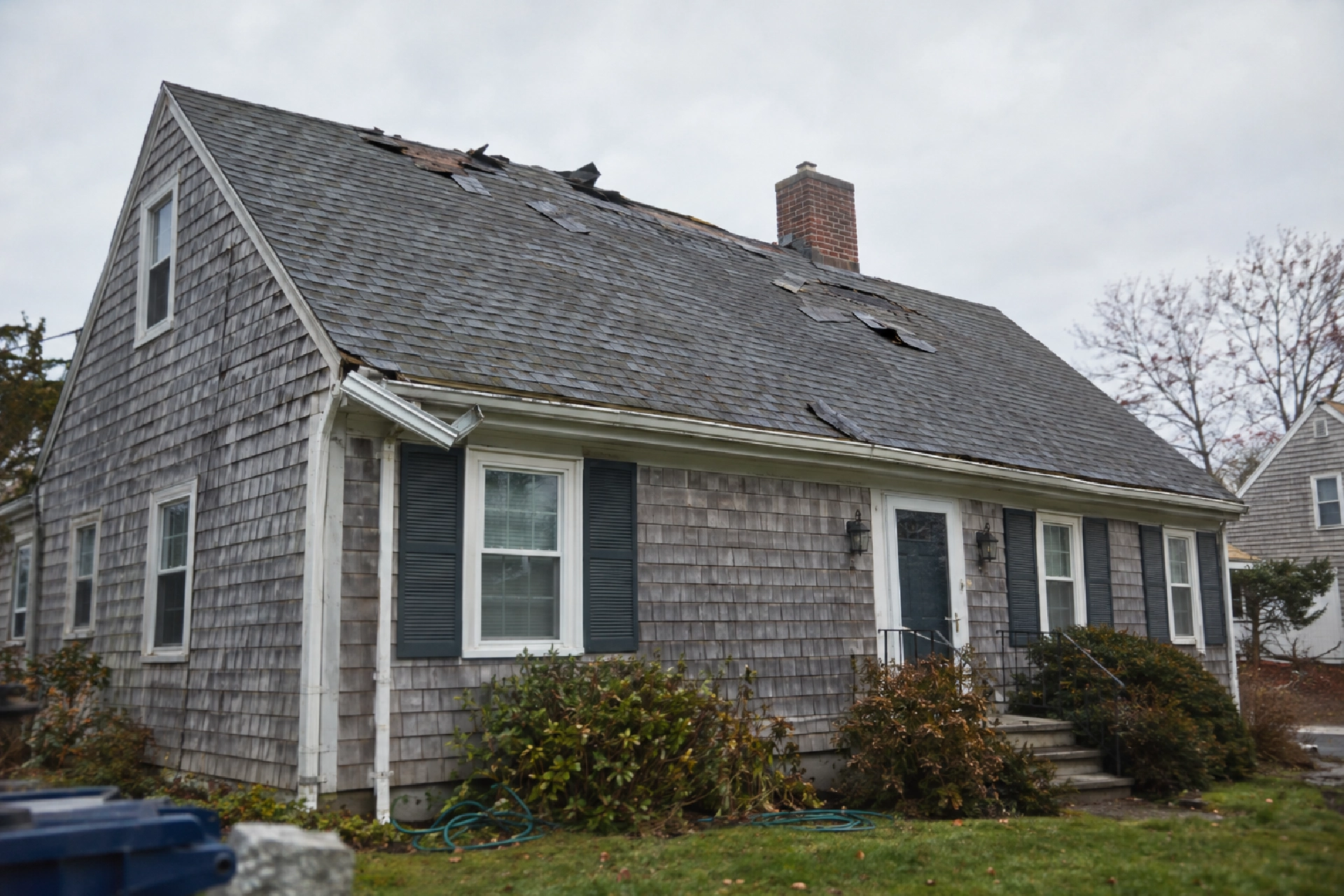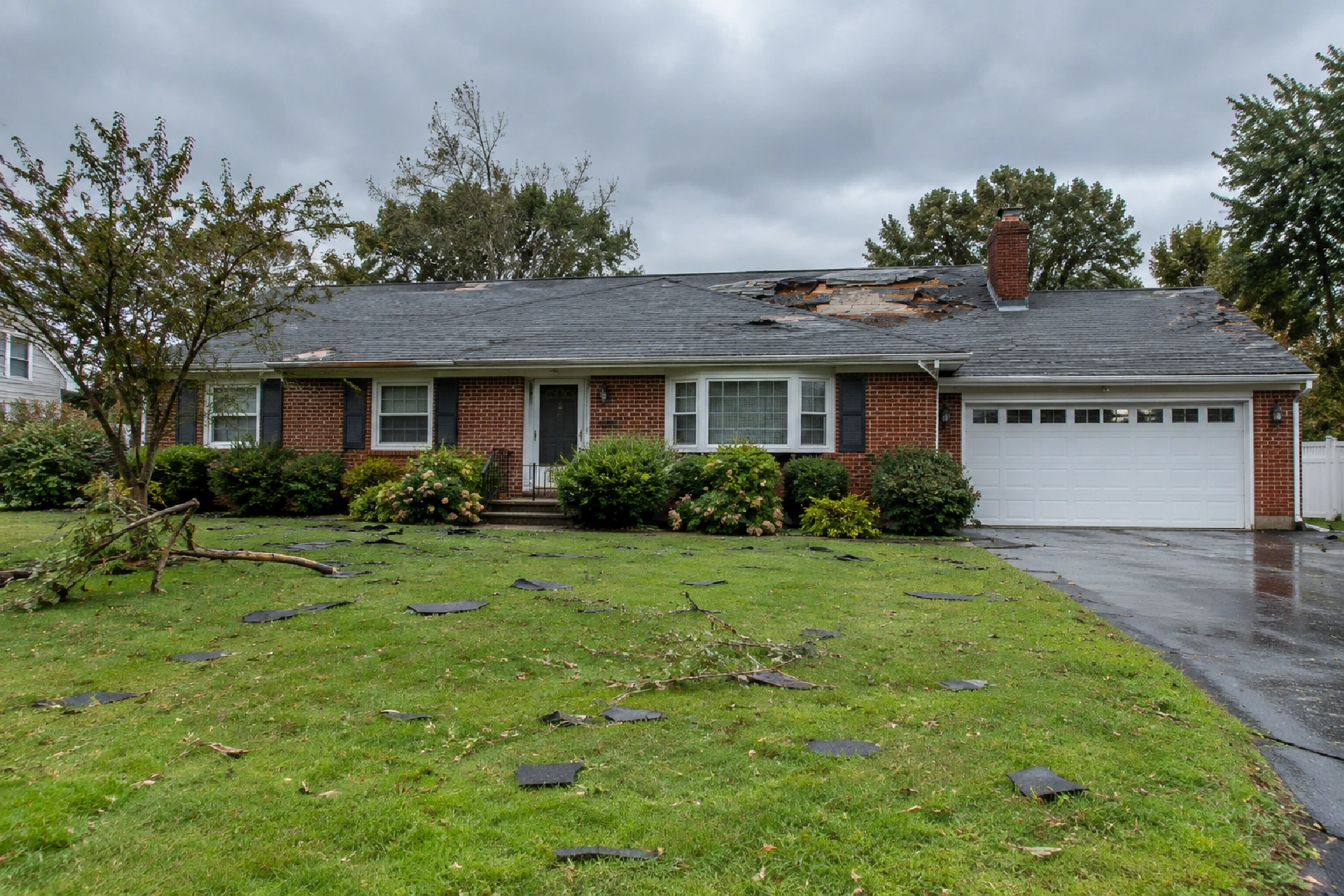
Here’s a scenario that plays out across Rhode Island after every major windstorm. A homeowner files a claim, the insurer approves it, and then the settlement check arrives for far less than expected, sometimes thousands less. Nothing was denied. The policy worked as written. The culprit is a piece of coverage most Rhode Island homeowners don’t know they have until it costs them: the separate wind or hurricane deductible. Understanding how it works before a storm hits can save you from one of the most common and expensive surprises in property insurance.
Your Policy Probably Has Two Different Deductibles
Most people think of their homeowner’s deductible as a single number, the amount they pay out of pocket before coverage kicks in. What many Rhode Island homeowners don’t realize is that their policy likely contains two separate deductibles: a standard one for most claims, and a separate, higher deductible that applies specifically to wind, named storms, or hurricanes.
Because Rhode Island is a coastal state with real hurricane exposure, insurers routinely build these separate windstorm deductibles into policies to limit their own exposure during major weather events. The standard deductible might be a flat amount, say $1,000. The wind or hurricane deductible is often something else entirely, and that difference is where the surprise lives.
Why the Wind Deductible Is Usually a Percentage, Not a Flat Dollar Amount
The detail that catches Rhode Island homeowners hardest is how these deductibles are calculated. A standard deductible is usually a fixed dollar figure. A wind or hurricane deductible is frequently a percentage, and that percentage is applied to your home’s insured value, not to the amount of the damage.
Consider what that means in practice. If your Rhode Island home is insured for $400,000 and your policy carries a 2 percent hurricane deductible, your out-of-pocket responsibility on a qualifying wind claim is $8,000, regardless of how modest the repair might be. On a 5 percent deductible, that same home carries a $20,000 deductible. A homeowner expecting to pay their familiar $1,000 flat deductible can suddenly face a five-figure gap, on a claim the insurer fully approved. The coverage did exactly what it was designed to do. The homeowner just never knew the terms.
What Triggers the Wind Deductible in Rhode Island
Not every windy day triggers the higher deductible, and the specific conditions that activate it are spelled out in your policy, often in language that isn’t easy to parse. The trigger is usually tied to a named storm or a hurricane that has reached a defined threshold, such as a hurricane warning issued for the area or sustained winds at a certain speed.
This is where things get contentious. The exact definition of what activates the wind or hurricane deductible varies significantly between policies, and it directly affects how much you pay. A storm classified one way triggers your standard deductible; classified another way, it triggers the far larger windstorm deductible. Insurers have a financial interest in how that classification lands, which is why the trigger language deserves close attention rather than a quick assumption that any wind claim automatically falls under the higher figure.
How This Plays Out When You File a Rhode Island Wind Claim
The deductible surprise rarely arrives alone. It usually compounds the other ways wind claims get shortchanged. An insurer might document only the visible wind damage, produce a repair estimate lower than the true cost, and then apply a percentage-based hurricane deductible against that already-reduced figure. The result is a settlement that leaves the homeowner covering the deductible gap and the underscoped repairs both.
The single most effective protection is making sure the documented loss reflects the full damage, because on a large percentage deductible, every dollar of legitimate damage that gets left out of the claim is a dollar you absorb entirely. When the deductible is already going to take a significant bite, an underdocumented claim is doubly costly. Getting the full scope of the loss on the record is what determines whether the settlement, after the deductible, actually covers your repairs.
What Rhode Island Homeowners Should Do Before the Next Storm
Don’t wait for a claim to learn these terms. Pull out your Rhode Island homeowner’s policy now and find the answers to three questions: Do you have a separate wind, named-storm, or hurricane deductible? Is it a flat amount or a percentage? And what specifically triggers it? Knowing those answers ahead of time tells you your real exposure and lets you plan for it, rather than discovering a five-figure deductible in the middle of a loss.
When a wind claim does happen, the deductible is fixed, but the size of the documented loss is not, and that’s where representation makes the difference. A public adjuster for wind damage claims in Rhode Island documents the complete scope of the damage so the approved settlement is as large as your policy allows, which matters most precisely when a percentage deductible is working against you. Because wind damage so often begins on the roof, that assessment frequently overlaps with a Rhode Island roof damage claim as well, and both belong in the same documented loss.
Facing a Wind Deductible on Your Rhode Island Claim? Get a Free Review
If a windstorm has damaged your Rhode Island property and you’re staring at a deductible you didn’t expect, the best thing you can do is make sure the full loss is documented so your settlement goes as far as it possibly can. Marinilli Adjusters offers free, no-obligation inspections. We document the complete damage, explain exactly how your policy and its deductibles apply, and fight for the full settlement your property is owed, with no fees until we recover for you.