
Fallen Tree Damage claim in Massachusetts
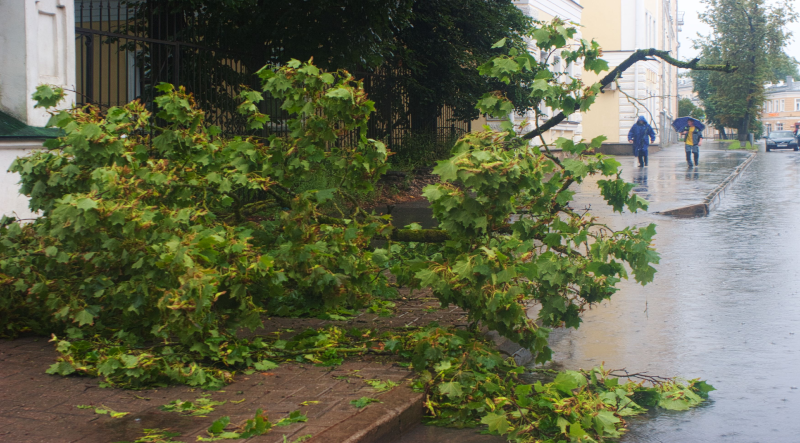
Fallen Tree Damage Insurance Claims Across Massachusetts: Licensed Public Adjusters
When a tree comes down on your Massachusetts property — whether a nor’easter loaded it with wet snow or saturated spring soil pulled the root plate clean out of the ground — the physical damage is only the beginning of the problem. The insurance claim that follows is where most Massachusetts property owners lose money they were rightfully owed. Fallen tree damage claims are among the most actively disputed in residential and commercial property insurance, and insurers have specific tactics they use to reduce payouts that most policyholders never see coming.
Marinilli Adjusters represents Massachusetts property owners through every stage of the fallen tree damage claims process — documenting the full scope of loss, interpreting policy coverage correctly, and negotiating directly with your insurer to secure a settlement that reflects what your property actually sustained.
Why Fallen Tree Damage Is a Persistent Problem for Massachusetts Properties
Massachusetts sits at the intersection of several conditions that make tree-related property damage more frequent and more severe than in most other states. The specific risks that drive claims across the Commonwealth include:
- Nor’easters that deliver heavy wet snow and ice loads capable of snapping mature hardwoods at mid-trunk across the entire state
- A dense residential tree canopy — particularly in Greater Boston, the South Shore, and the suburbs along Route 128 — where many trees predate the structures beneath them
- Shallow glacial till soil throughout eastern Massachusetts that limits root anchoring, making healthy-looking trees vulnerable to uprooting in sustained wind events
- Freeze-thaw cycles through late winter and early spring that loosen root systems before the season’s most damaging storms arrive
- An aging tree stock in communities settled in the 1700s and 1800s, where legacy hardwoods now carry structural compromises that aren’t visible until a storm exposes them
- Coastal storm tracks that push hurricane-force gusts well inland, affecting communities far from where a storm officially makes landfall
Our adjusters carefully inspect and document both visible and hidden damage to maximize your insurance settlement.
Fees
With a Public Adjuster, there are no fees or upfront costs until we receive an agreed settlement. We charge up to 10% of the claim which is regulated by the Division of Insurance. We believe everyone should have quality representation. That’s why we work on a contingency-fee basis, which means you only pay us when all parties are made whole.
Please reach out for a risk free inspection & consultation
How Massachusetts Insurers Dispute Fallen Tree Damage Claims
- They Commission Arborist Reports After the Tree Is Already Gone
One of the most common tactics Massachusetts insurers use on fallen tree claims is sending an arborist to the site after debris removal — and producing a report suggesting the tree showed prior signs of disease or structural weakness. This reframes the cause of loss from a covered storm peril to pre-existing negligence, which reduces or eliminates coverage. Countering this requires independent documentation taken before the tree is removed, which is why early involvement matters so much. - They Apply Debris Removal Sublimits Narrowly
Massachusetts homeowner policies typically include a debris removal sublimit — often as low as $500 — that only applies when the fallen tree has struck a covered structure. Insurers interpret “struck” as narrowly as possible, excluding trees that landed within feet of a structure without making direct contact, even when the threat to the structure was clear and removal was necessary to prevent further damage. We document physical proximity and structural threat to argue for expanded removal coverage where policy language supports it. - They Depreciate Older Roofs Aggressively
When a fallen tree damages a roof that is 15 or more years old, Massachusetts insurers routinely apply heavy depreciation that significantly reduces actual cash value payouts. For policyholders without replacement cost coverage, this gap between the depreciated offer and the actual repair cost is where the largest portion of the loss falls on the property owner. We document replacement necessity and argue against excessive depreciation where the policy and damage scope support it. - They Close Claims Before Consequential Damage Surfaces
Tree impact damage to a Massachusetts home often reveals itself in stages. A branch that punched through a roof deck in December may not show interior water infiltration until February. An impact that cracked a ridge board may not produce visible structural sag until spring. Massachusetts insurers push for fast settlement precisely to avoid these downstream costs. We document the full causal chain from the initial impact and resist early settlement pressure until the complete scope of loss is established.
Who We Help
At Marinilli Adjusters, we assist property owners of all types:
- Homeowners: Roof, siding, and landscaping damage
- Condo Associations & HOAs: Shared roofs and common areas
- Commercial Properties: Structural damage, equipment, and inventory
- Multi-Family Buildings: All units and structures
No matter the property, we document every aspect of fallen tree damage and handle the full claims process to ensure a fair and complete settlement.
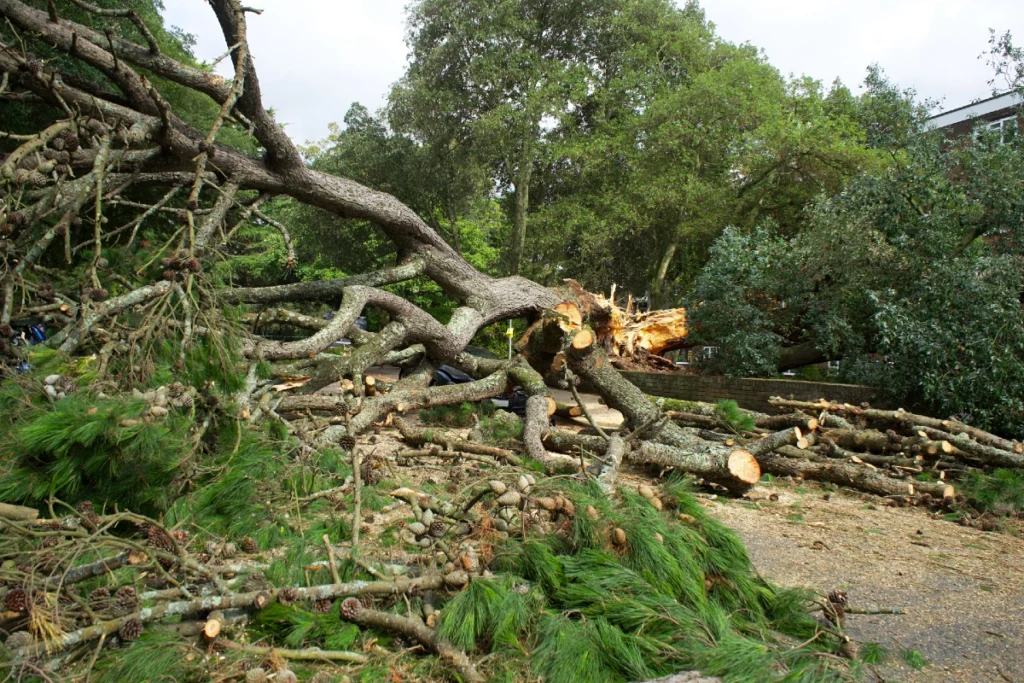
Who We Help
At Marinilli Adjusters, we assist property owners of all types:
- Homeowners: Roof, siding, and landscaping damage
- Condo Associations & HOAs: Shared roofs and common areas
- Commercial Properties: Structural damage, equipment, and inventory
- Multi-Family Buildings: All units and structures
No matter the property, we document every aspect of fallen tree damage and handle the full claims process to ensure a fair and complete settlement.
What Marinilli Adjusters Does Differently for Massachusetts Fallen Tree Claims
- We Inspect Before Evidence Disappears
We conduct detailed property inspections immediately after you contact us — before debris is removed, before temporary repairs obscure the original damage, and before your insurer’s adjuster completes their own assessment without a counterpart present. In Massachusetts, where tree removal often happens quickly after a storm, timing is everything. Our documentation captures what exists before the site is altered. - We Document to the Standard Insurance Negotiations Require
Our damage documentation goes beyond photographs. We record structural measurements, material specifications, impact points, and repair scope in a format built specifically for insurance claim negotiation — priced against actual Massachusetts labor and material costs, not national averages that don’t reflect the local market. Every figure in our estimate is defensible. - We Read Your Entire Policy Before We Negotiate
Before we engage your insurer, we analyze your Massachusetts homeowner or commercial property policy in full — identifying every applicable coverage, endorsement, sublimit, and provision relevant to your specific loss. Debris removal, additional living expenses, ordinance or law coverage for code-required upgrades, and detached structure coverage are all categories that go unclaimed when policyholders handle claims without a complete policy review. - We Manage Every Interaction With Your Insurer
From first notice of loss through final settlement, we handle all correspondence, adjuster meetings, documentation requests, and negotiation with your insurance carrier. You are not fielding calls alone, making decisions without context, or facing pressure to sign before your full loss is properly documented.
Frequently Asked Questions About Fallen Tree Damage Claims in Massachusetts
As soon as possible. Early assessment ensures accurate documentation and strengthens your claim.
Serving Communities Across Massachusetts
- Boston
- Worcester
- Springfield
- Cambridge
- Lowell
- Brockton
- New Bedford
- Quincy
- Lynn
- Fall River
- Newton
- Somerville
- Cape Cod
- Plymouth
- Taunton